The University of Texas Medical Branch has begun enrolling thousands of participants in the Galveston Heart Study, a long-term research initiative examining how cardiovascular health, brain function, and aging are connected.

The University of Texas Medical Branch has initiated a comprehensive population health study focused on the interplay between heart health, brain function, and aging. This endeavor represents a notable advancement in cardiovascular research along the Gulf Coast.
Officials announced that the Galveston Heart Study, spearheaded by the Sealy Heart and Vascular Institute, will initiate its first phase by recruiting 5,200 adults aged 30 and older. The study aims to expand its participant base to 10,000 over the next ten years.
Dr. Hani Jneid, the principal investigator of the study, stated, “This is our signature research endeavor.” “The aim is to transition from a reactive model of cardiology to one that emphasizes prediction and prevention.”
A recent long-term study highlights a significant shift at UTMB, focusing on the early detection and prevention of cardiovascular disease. This initiative aims to address risk factors such as high blood pressure and cholesterol at an earlier stage in life, ultimately working to reduce the incidence of heart attacks and strokes.
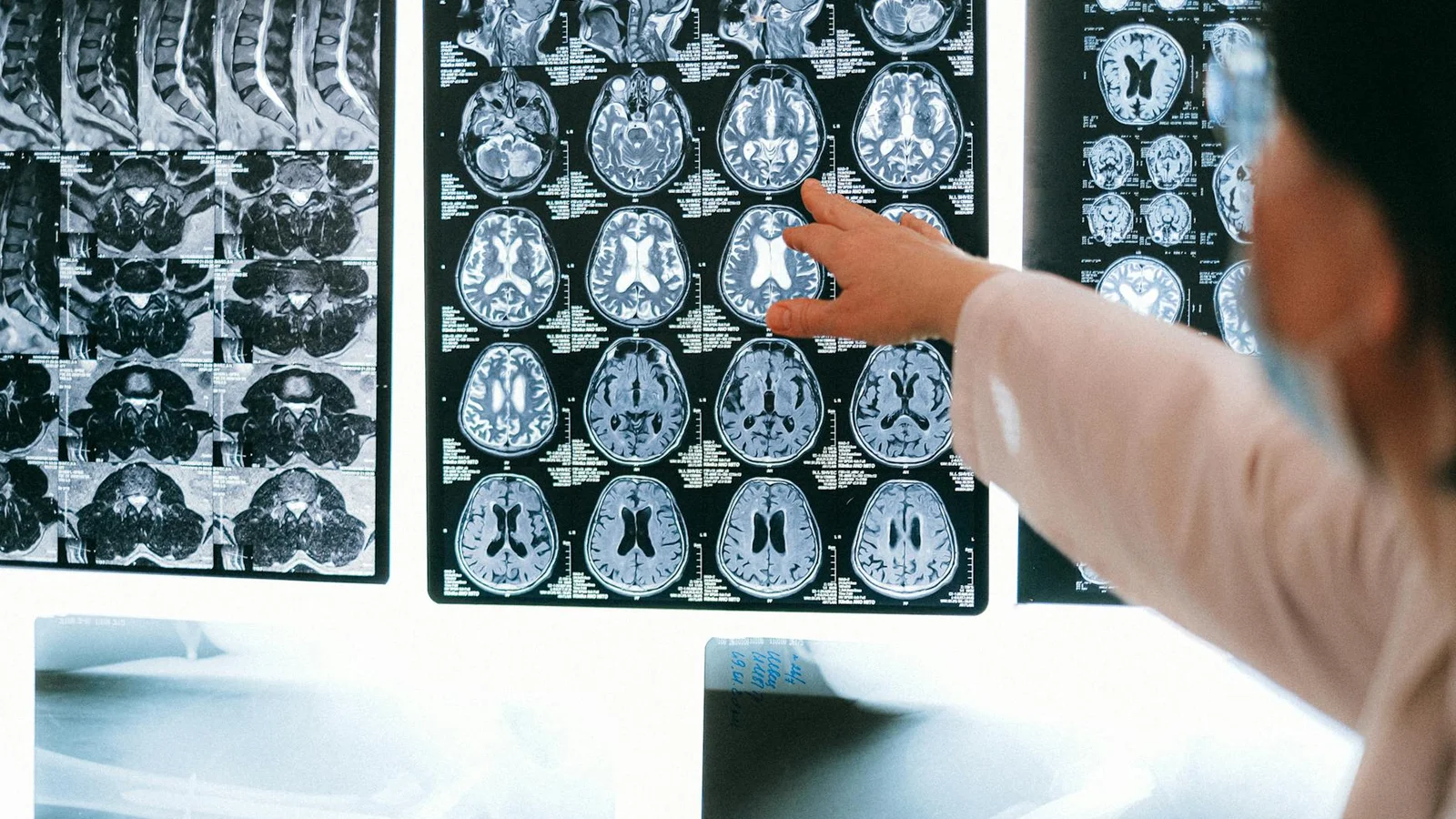
The Galveston Heart Study is set to break new ground by exploring the relationship between cardiovascular health and cognitive function. This innovative approach highlights the growing interest in the interplay between heart health and brain activity, commonly known as the “heart-brain” axis. Officials report a significant connection between conditions such as hypertension and arrhythmia and the onset of cognitive decline and neurological disorders.
In a comprehensive study, researchers are set to gather an extensive array of data, encompassing cardiac imaging, biomarkers, genetic information, and coronary calcium scores. Additionally, they will assess social determinants of health as part of their evaluation. Participants will be monitored for an extended period, potentially spanning decades, to observe changes over time.
“The study seeks to investigate cardiovascular health, brain health, and aging metrics within our county, focusing on a broadly representative patient population,” stated Jneid.
Officials highlighted that the study aims to enhance "healthspan," which refers to the duration of years individuals live in good health, rather than merely prolonging lifespan.
Galveston County residents aged 30 and above are now invited to enroll, with no prerequisites regarding prior heart disease history. To enhance access to healthcare services, researchers are actively recruiting participants at UTMB primary care clinics and various community locations. Plans are underway to introduce a mobile clinical unit that will provide imaging and lab services to a broader audience.
The recent launch of the Sealy Heart and Vascular Institute is an important milestone in consolidating cardiovascular care and research efforts at UTMB. Since 2022, the institute has made major strides toward expanding its clinical team and services, simultaneously enhancing its national profile.
Jneid stated that the study has the potential to act as a cornerstone for future research, especially in fields concerning aging and cognitive health.
“The patient cohort we identify will provide a foundation for exploring research opportunities in additional fields,” he stated.
Officials report that the project is attracting international interest and has the potential to establish Galveston as a prominent center for preventive cardiovascular research.