
A new NOAA study says the Gulf Coast shrimp industry has become economically unsustainable after decades of decline, with revenue dropping sharply and imported shrimp dominating the U.S. market.
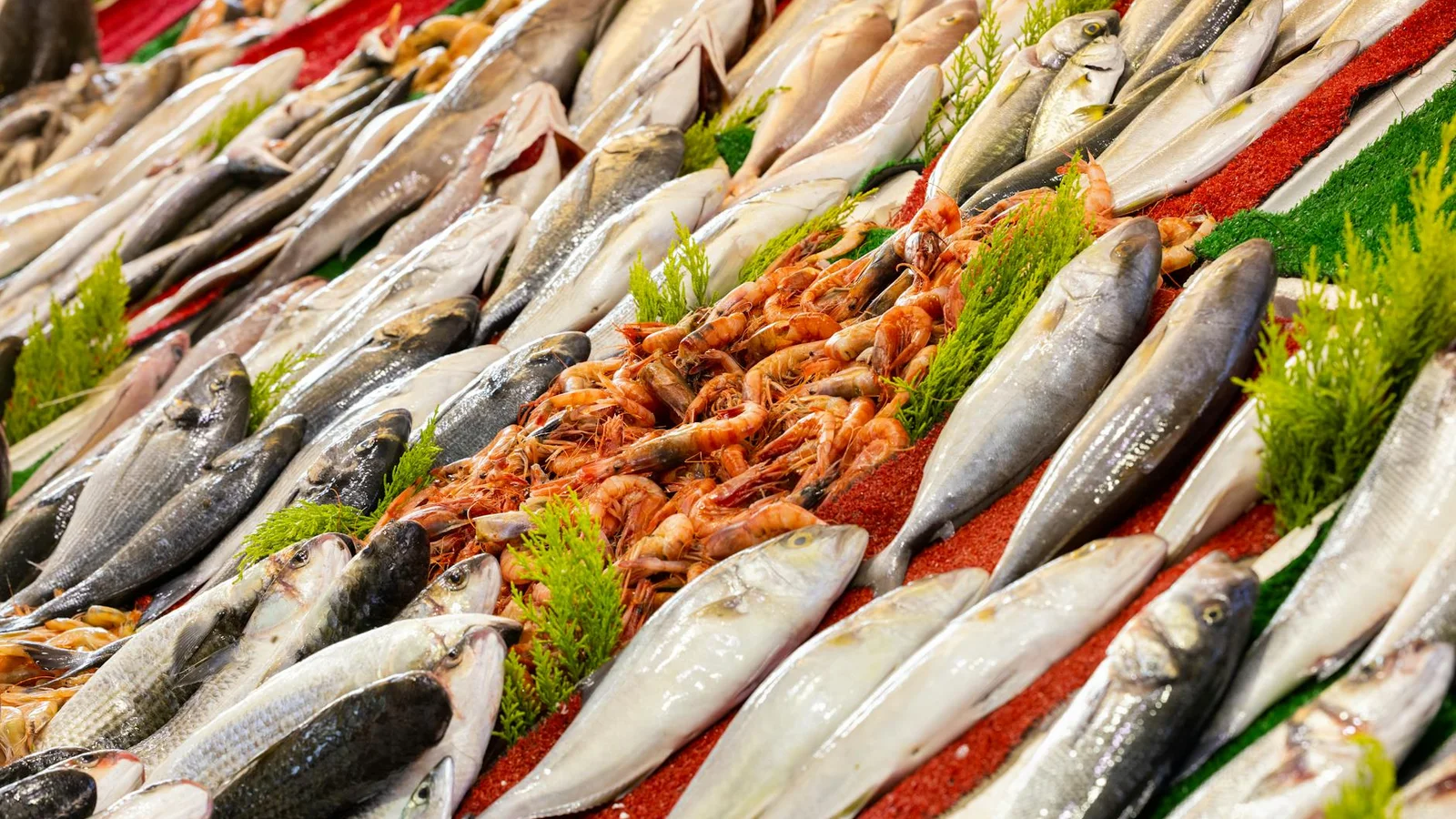
A recent national study has raised concerns regarding the future of the Gulf Coast shrimp industry, indicating that years of economic challenges may lead to a lasting decline for this once-thriving sector.
A report from the National Oceanic and Atmospheric Administration (NOAA)’s National Marine Fisheries Service reveals that the U.S. shrimping industry, primarily located along the Gulf Coast, has struggled with economic sustainability for approximately two decades.
A recent analysis reveals a significant decline in Gulf shrimp revenue, plummeting from $489 million in 2021 to $221 million in 2023, marking a staggering decrease of nearly 55%.
The decline occurs despite a notable increase in shrimp consumption among Americans. A recent study reveals that shrimp consumption in the United States has increased more than fourfold since 1984.
Imports, primarily from overseas farms in nations like China, India, Ecuador, and Vietnam, meet a significant portion of the current shrimp demand. The expansion of imports has led to a significant decline in the domestic industry’s share of the U.S. shrimp market, plummeting from nearly 30% in 1984 to approximately 4.5% in 2023.
Dr. Christopher Liese, a fisheries economist and the lead author of the report, highlighted that the long-term financial challenges facing the industry have been obscured by the presence of aging shrimp vessels that remain in operation, even as profitability continues to decline.
“The prolonged existence of shrimp vessels has concealed a critical vulnerability: The fishery lacks the economic sustainability necessary for self-reinvestment,” stated Liese. Experts warn that the industry is depleting its resources in a bid to remain viable, postponing an inevitable crisis instead of securing a sustainable future.
Shrimpers are experiencing a decline in their catch, although a recent study indicates that the issue does not stem from a shortage of shrimp in the Gulf. Federal scientists have announced that shrimp populations are stable and are not currently facing the threat of overfishing.
In a troubling trend, numerous shrimpers are exiting the industry as they face declining prices coupled with increasing operational expenses. From 2021 to 2023, the Gulf experienced a significant decline in the number of active shrimping vessels, with a reduction of approximately 19%. This downturn has also resulted in the loss of over 1,200 jobs in the industry.
In a bid to bolster the shrimp industry, lawmakers in key producing states like Texas and Louisiana have enacted legislation mandating that restaurants disclose whether the shrimp they serve is imported or sourced domestically. However, these initiatives have yet to significantly alter the prevailing long-term market trend.
In a forward-looking move, NOAA’s Shrimp Futures Initiative is investigating potential strategies aimed at stabilizing the industry. A key recommendation outlined in the report suggests a strategic pivot from competing with lower-cost imported shrimp to promoting Gulf shrimp as a premium offering.
The strategy to highlight the perceived superior flavor of wild-caught Gulf shrimp involves considering improvements in quality, branding, and direct marketing.
The report cautions that this transition would necessitate substantial investment, and it remains uncertain whether consumers will accept increased prices.
.png)
.png)
.png)


