
The University of Texas Medical Branch has launched a $9.5 million partnership with the Blue Zones Project to promote healthier lifestyles and longer lifespans for Galveston residents.
.png)
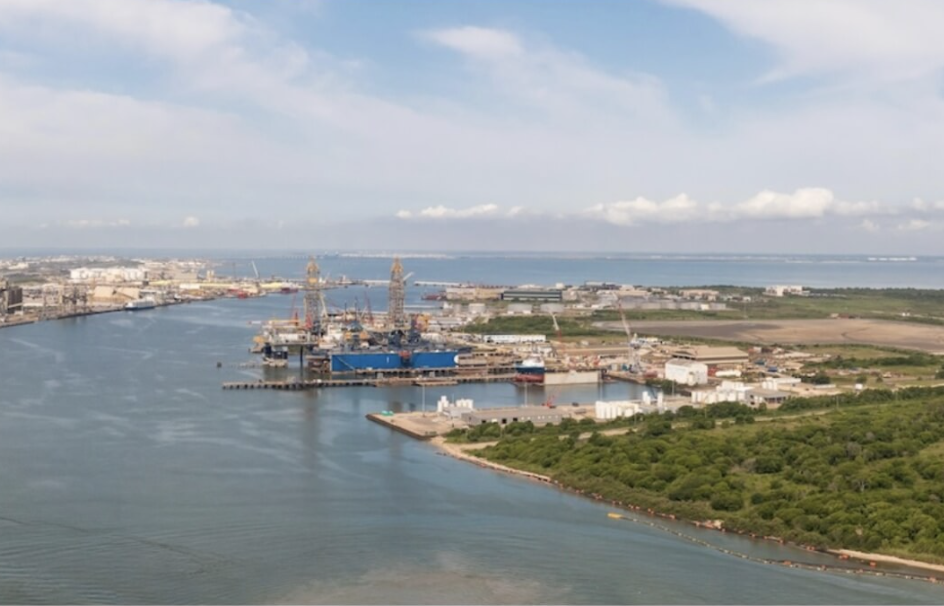
The University of Texas Medical Branch has initiated a $9.5 million collaboration with the Blue Zones Project to enhance health and boost life expectancy among residents of Galveston Island.
Last week, officials unveiled an initiative to implement community-wide changes to promote healthier lifestyles among residents. In the next five years, residents may experience enhancements, including increased neighborhood walkability and greater access to healthier food options throughout the island south of Houston.
The Blue Zones Project collaborates with municipalities, educational institutions, employers, and healthcare providers to implement strategies derived from regions recognized for their high life expectancy. The regions in question encompass the rugged highlands of inner Sardinia and the coastal areas of Okinawa, Japan.
Officials at UTMB have announced that their partnership in Galveston aims to shift health care priorities from treating illnesses to prevention.
UTMB President Jochen Reiser stated, “Five years is not that long, but I think it’s enough time to see meaningful change.” Residents are calling for improved food options on the island. The call for a transition from chronic and sick care to a focus on preventative care is gaining momentum.
The recent agreement expands on a previous contract valued at $500,000 that UTMB established with the Blue Zones Project to conduct an assessment. The agreement has been extended until December 2030, with a total value of $9.5 million.
The term “Blue Zones” refers to specific regions globally recognized for their high concentrations of individuals with extended lifespans and improved health outcomes. Researchers have identified several factors contributing to longevity, including diet, social networks, and daily habits. The Blue Zones Project leverages two decades of research from various communities to help cities across the United States implement comparable practices.
Over the next nine months, organizers are set to recruit a five-member team of Galveston residents to spearhead the initiative at the local level and to formulate comprehensive plans. Following the establishment of that foundation, the program is set to enter a four-year implementation phase.
Dan Buettner Jr., the executive vice president of the Blue Zones Project, emphasized the importance of widespread community involvement to secure enduring transformation.
“We are committed to joining forces and establishing a mutual agreement to implement a strategic plan aimed at achieving a significant number of individuals, locations, and regulations that meet Blue Zones standards,” Buettner stated.
Approximately 400 individuals gathered for the project launch event on March 5 at the UTMB campus, with Galveston resident Jeana Watts among the attendees.
Proponents of a new initiative are expressing enthusiasm for the concept of Galveston as a compact community of approximately 50,000 residents. Advocates believe this could pave the way for the city to become a designated blue zone. “That just excites me immensely,” Watts stated.
Watts expressed optimism that the initiative could ultimately bolster community resources, including the Lasker Community Pool, which local swimmers are advocating for to remain open year-round.
Despite criticism from some researchers about longevity records in certain regions, project leaders assert that their findings have been consistently validated by demographic studies and historical documentation.
Program leaders say that the success of the Galveston initiative will be judged by the number of people who participate, the places involved, the policies in place, and confirmed improvements in chronic disease risk factors
.png)


