With its 200th anniversary approaching, the Port of Galveston is lobbying for $39 million in federal funds to dredge its shipping channel. Officials are optimistic after a visit from a key congressional leader.

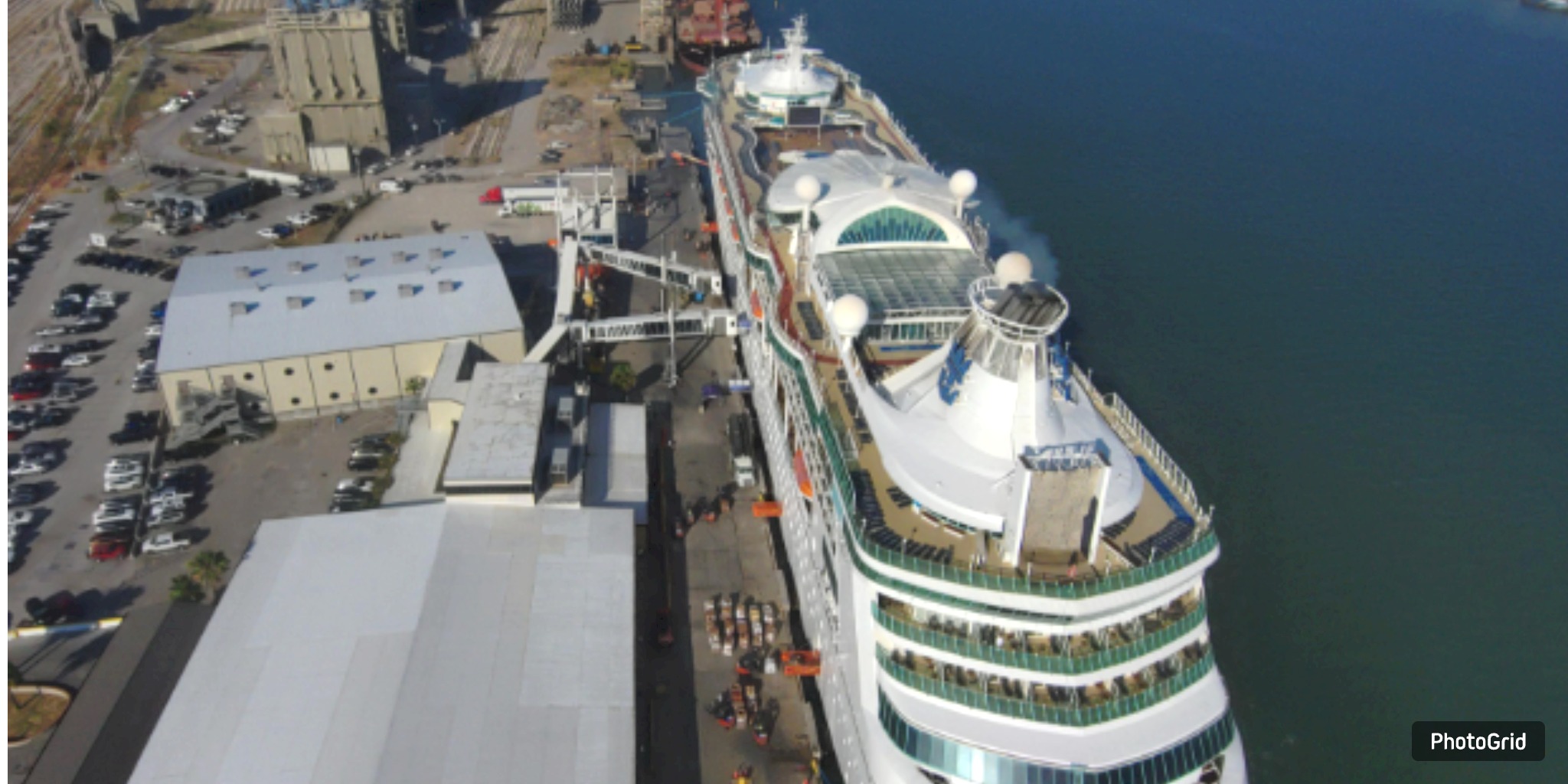
While the Port of Galveston prepares to celebrate its 200th birthday on May 22, officials are focused on a more important task: obtaining $39 million in government funding to keep the harbor safe for ships.
With these funds, the U.S. Army Corps of Engineers could dredge the middle of the channel, which is controlled by the federal government and is very important for cruise ships and cargo ships. The cruise business usually needs a depth of 35 to 37 feet, but bigger tankers need nearly 45 feet, which can only be reached by regular federal dredging.
"Businesses and ports can lose millions of dollars if deep-draft cargo ships can't get through the harbor safely," CEO Rodger Rees said. "The community is the one who loses the most."
Last year, the Corps asked for $48 million but didn't get it. This year's $39 million request is moving forward, partly because of a visit by Chair of the House Subcommittee on Water Resources and Environment, Rep. Mike Collins (R-GA). His group helped write the Water Resources Development Act, which could be very important for getting money for Galveston.
Collins was "very responsive," Rees said. "He had a lot of good ideas when he left here."
Last year, the port handled 3.4 million cruise travelers and 12.6 million tons of cargo, worth $6.7 billion, and created almost 25,000 jobs. Port officials say complete cleaning is needed to keep up with the growth.