A Galveston Bay Foundation study at Seawolf Park—where the foundation opened a research station in 2023—found that dolphins frequently trailed anglers to take fish from their lines, a pattern that can lead to dangerous interactions and injuries to the animals.

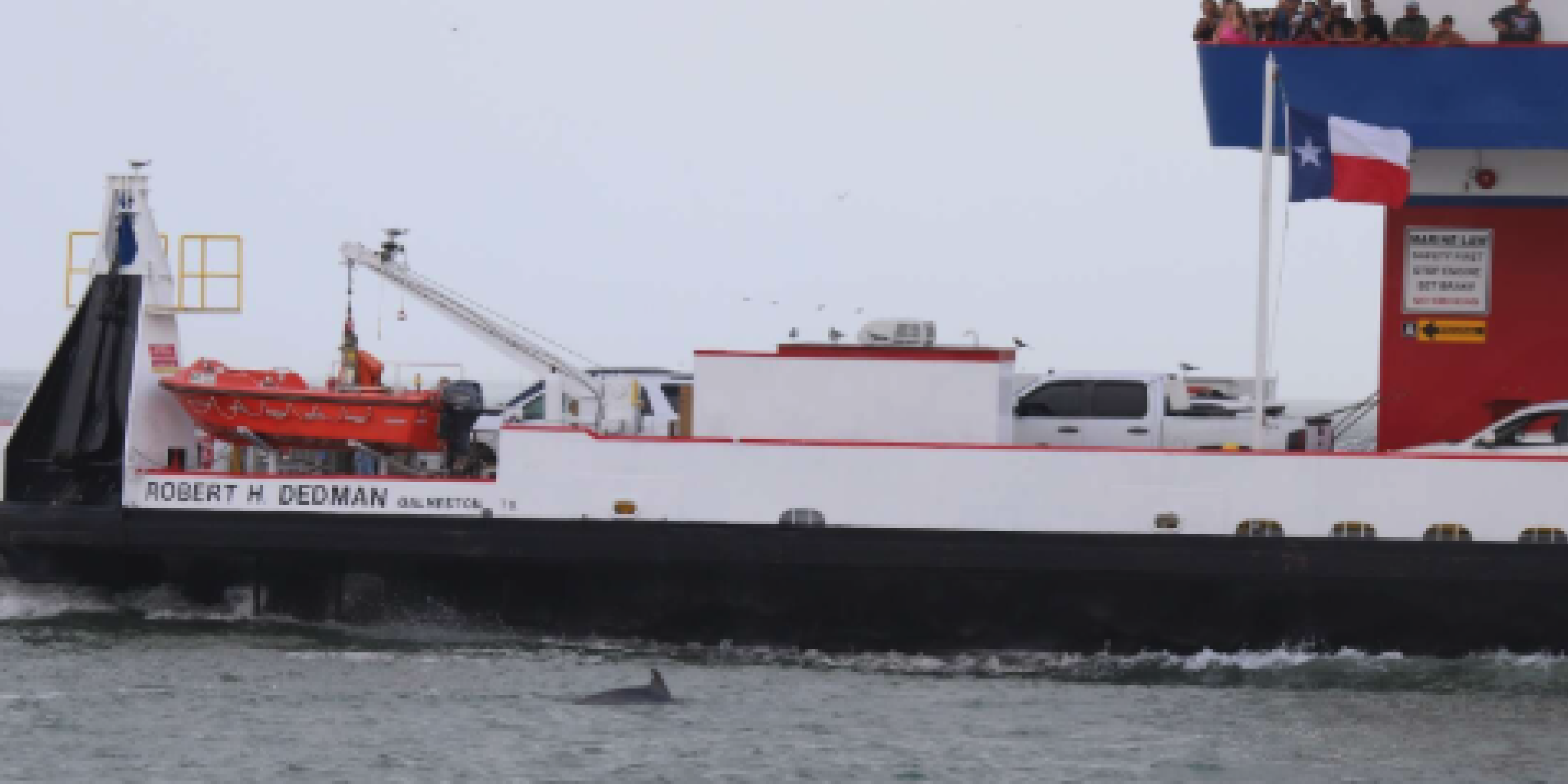
Researchers from the Galveston Bay Foundation have observed that dolphins at Seawolf Park frequently “patrol” the boats and fishing lines of anglers. This behavior increases the likelihood of risky interactions between humans and marine mammals, prompting the foundation to establish a research station at the well-known Pelican Island in 2023.
Seawolf Park, situated on a peninsula-like outcropping of Pelican Island and providing convenient access to the largest estuary along the Texas coast, has become a popular destination for anglers and dolphins, according to researchers. In 2023, the Galveston Bay Foundation established a research station, subsequently mobilizing volunteer teams of “citizen scientists” to track dolphin populations, observe seasonal changes, and study interactions with humans.
“Seawolf Park serves as a compelling location for this type of research,” stated Mintzer, the foundation’s director of dolphin research and conservation, in an interview with the Chron. “It’s a site where dolphins can be observed almost year-round.” “Every visit to Seawolf Park has resulted in a sighting of a dolphin.”
In a collaborative effort, volunteers are organized into teams of three or four, diligently recording animal activity while also interacting with the public. The foundation's marine debris team has identified significant amounts of discarded monofilament fishing line in the water, prompting a crucial outreach initiative to encourage anglers to use designated recycling tubes for proper disposal.
A recent study conducted by GBF research associate Alyssa Quackenbush, presented at the State of the Bay Symposium, has identified a significant correlation between the presence of anglers and a behavior known as patrolling, as defined by biologists. Mintzer stated that an increase in the number of fishers leads to dolphins actively patrolling the area, attempting to seize the catch from their lines, a task that proves to be relatively simple for the marine mammals. In the absence of a significant number of fishers, dolphins return to their instinctive foraging behaviors.
Such interactions can become detrimental. Dolphins have been observed engaging in a behavior known as depredation, where they steal fish directly from fishing lines. Additionally, propeller wounds recorded by the foundation suggest that not all encounters end without injury. The foundation advises the public to maintain a distance of at least 50 yards for observation, to turn off motors or keep vessels in neutral whenever feasible, and to refrain from pursuing or surrounding animals to minimize harm.
The foundation emphasizes the importance of not feeding wild dolphins, an illegal practice. Anglers are encouraged to reuse leftover bait instead of discarding it, to refrain from casting lines in the vicinity of dolphins, and to reel in their lines when these animals are present. Recommendations include the discreet release of catches away from dolphins and the use of circular or corrodible hooks to minimize injury.
The Galveston Bay Foundation is taking proactive measures to safeguard a beloved fishing destination and the dolphins that inhabit the bay through consistent monitoring and public education initiatives at Seawolf Park.
.png)
.png)