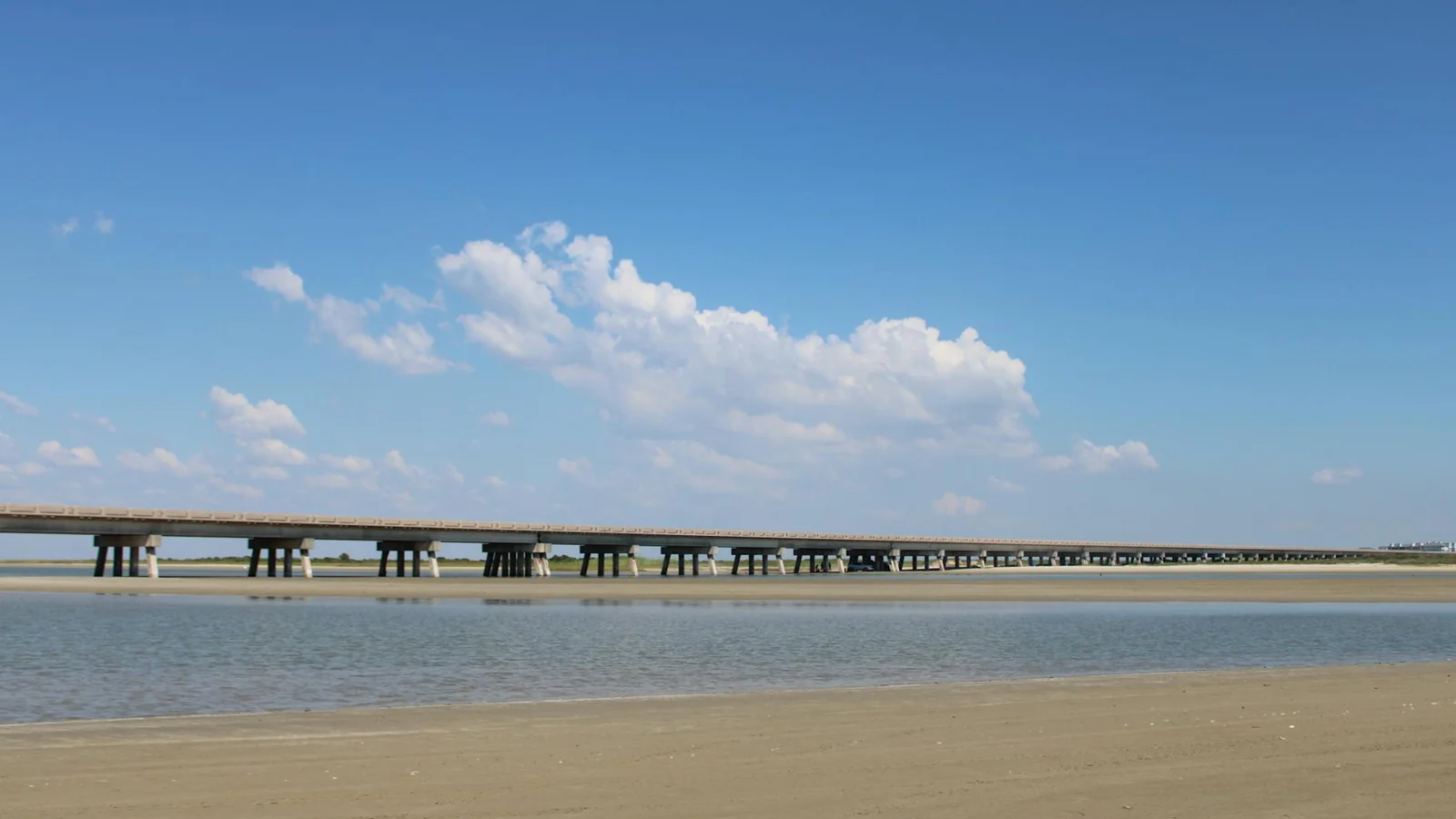
Scientists at Texas A&M University at Galveston are studying marine viruses as a potential key to understanding — and eventually controlling — harmful algae blooms that threaten coastal ecosystems, officials said.
The research focuses on viruses that infect bacteria and phytoplankton, which are organisms that play a crucial role in marine environments. Unlike viruses that affect humans, these microscopic agents help regulate ecological balance and may one day combat red and brown tides.
“I don’t study viruses that infect humans or animals,” said Jessica Labonté, an associate professor at the university. “The viruses that I study … are essential for the equilibrium of the environment.”
Labonté and her colleagues recently co-authored a study examining how environmental changes affect viral communities in the Laguna Madre, a unique hypersaline lagoon along the Texas Gulf Coast. The findings were published in the June 2026 issue of Environmental Microbiology Reports.
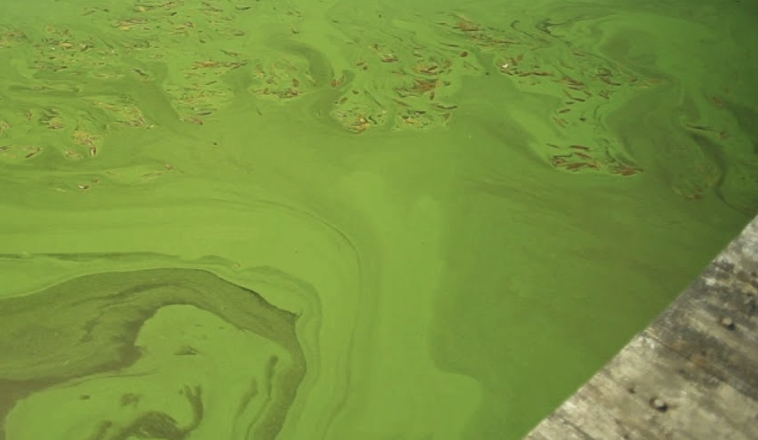
The lagoon, one of only a few in the world with salinity levels higher than typical marine environments, has long experienced brown tide blooms caused by the phytoplankton Aureoumbra lagunensis. While not toxic, these blooms can block sunlight and deplete oxygen, harming marine life.
Researchers observed how major weather events, including Winter Storm Uri and Tropical Storm Claudette, altered the lagoon’s salinity and impacted viral behavior. A large influx of freshwater shifted viral populations, while extreme cold affected genes that influence how viruses interact with their hosts.
“If a bloom lasts for 30 years, clearly viruses are not doing their job,” Labonté said, describing the team’s goal of identifying gaps in how viruses regulate algae growth.
The study also faced challenges during the COVID-19 pandemic, which limited field sampling. Despite that, researchers gathered valuable data that adds to the understanding of how viruses influence biogeochemical cycles.
Funded in part by the Texas General Land Office, the research was led by doctoral graduate Jordan Walker, with contributions from scientists at Texas A&M University-Corpus Christi.
While the work remains in early stages, scientists say it could lead to nature-based solutions for managing harmful algae blooms and protecting coastal economies and ecosystems.
“The blooms are where research has to go,” Labonté said. “If we better understand the relationship … we can seek nature-based solutions.”
Further research is expected to build on these findings, as scientists continue to explore how microscopic organisms can shape large-scale environmental outcomes.

.png)