When a cruise ship heads for drydock, passengers can face last-minute cancellations—as happened recently to Carnival Breeze guests out of Galveston—but the process is a regular part of the cruise industry.

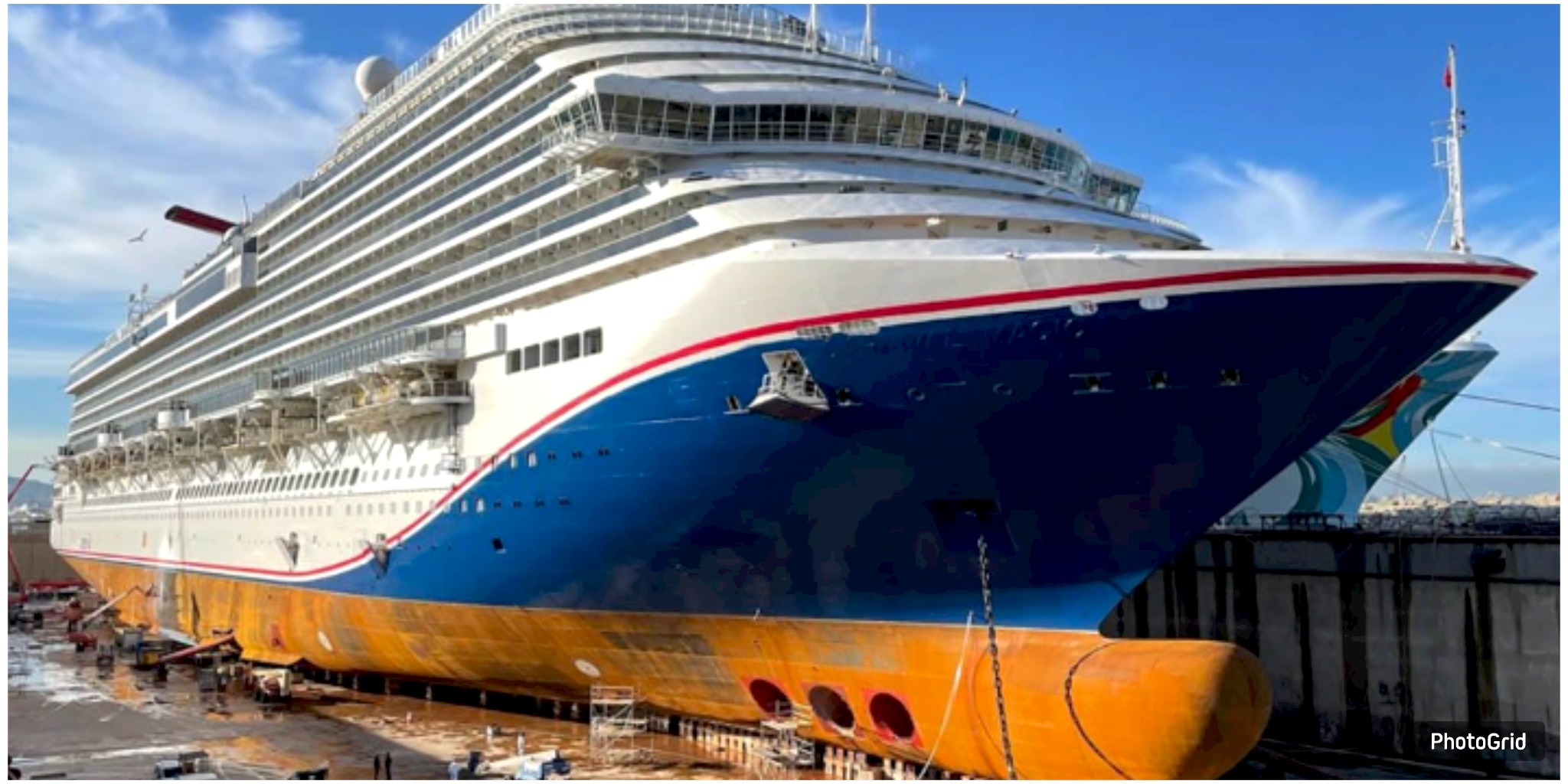
For passengers embarking on Gulf Coast cruises, few expressions evoke more irritation than “ship in drydock.” When a vessel is taken out of service for necessary repairs, upgrades, or inspections, it can lead to the unfortunate cancellation of trips for travelers who have been eagerly planning for months.
Passengers aboard Carnival Cruise Line faced an unexpected turn of events as the company revealed the cancellation of five planned voyages on the Galveston-based Carnival Breeze, set for early 2027. Departures affected by the situation included those on January 11 and during the period from March 5 to March 22.
Carnival has provided guests impacted by the changes with alternative dates and incentives, emphasizing the necessity to modify its sailing schedule for scheduled maintenance. The company stated, “In managing a packed drydock schedule, we occasionally need to modify our sailing timetable to facilitate scheduled maintenance.”
Drydock periods are a common occurrence; every cruise ship is required to undergo routine inspections and maintenance, which can take years to prepare. Tasks may include conducting hull inspections, executing interior renovations, or installing new attractions. Carnival has announced that the alteration in their plans is merely a temporary adjustment to the itinerary and dry dock schedule, projected for 18 months ahead, which suggests that immediate repairs are not anticipated.
Unforeseen circumstances, nonetheless, have the potential to derail meticulously crafted strategies. Earlier this year, labor disputes led to the Carnival Liberty missing its scheduled shipyard window in Spain. As a result, repairs had to be carried out in France, which ultimately delayed the ship's return to service.
For travelers, this serves as a timely reminder that in the realm of leisure, maintenance often takes precedence—and occasionally, the ocean's most eagerly awaited voyages must be temporarily halted for essential behind-the-scenes work.