Texas wildlife officials are urging anglers and boaters to avoid disturbing coastal bird nesting areas this spring, warning that increased recreation activity can harm vulnerable species already facing population declines.

This spring, Texas wildlife officials advise anglers and boaters to avoid bird nesting areas due to increased outdoor activity, which puts vulnerable species at risk.
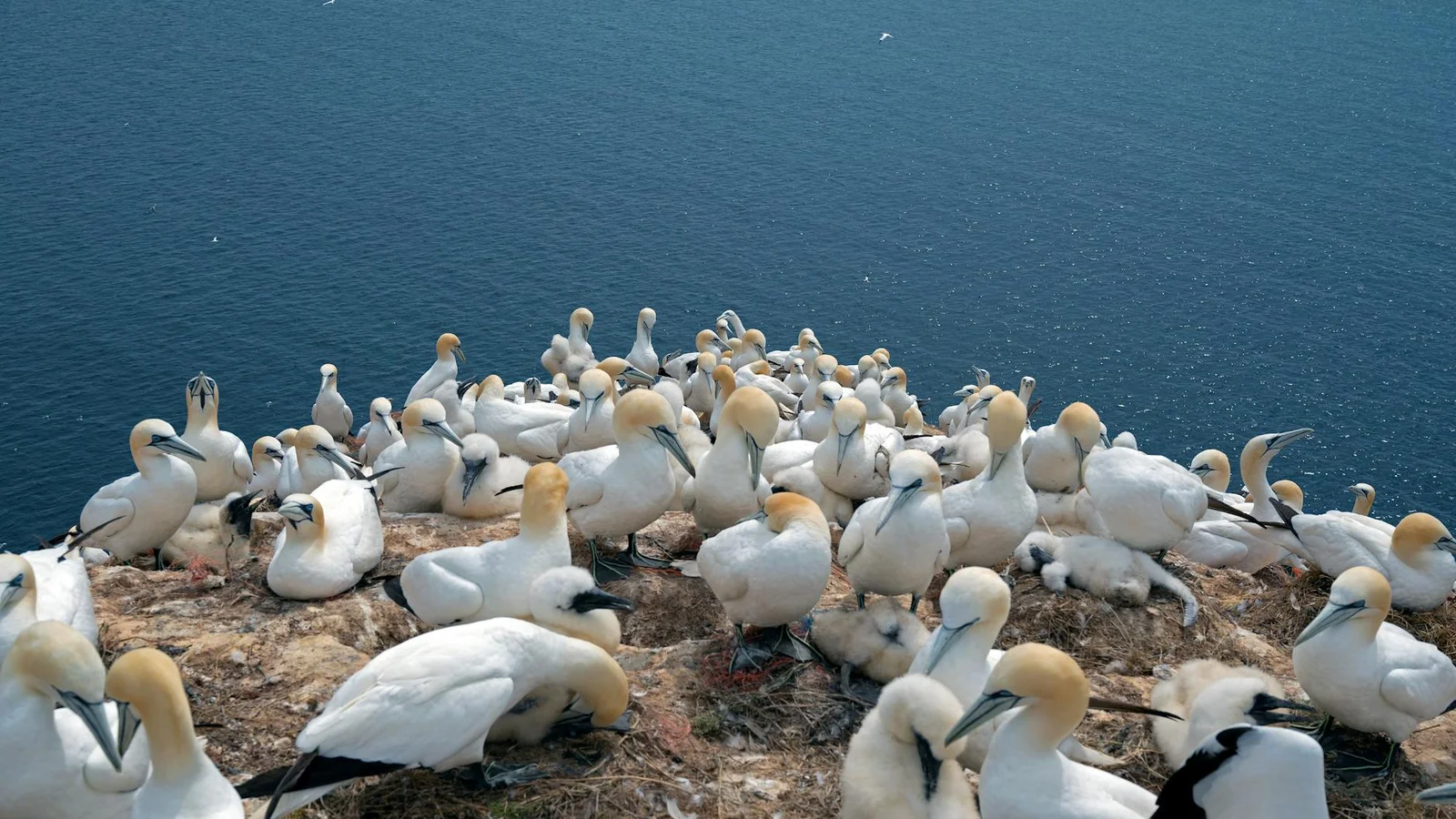
Numerous coastal bird species nest on small, low-lying islands called rookeries in Southeast Texas during peak fishing and boating season, according to the Texas Parks and Wildlife Department.
Human disturbance can cause adult birds to abandon nests, exposing eggs and chicks to heat and predators like gulls and grackles on these islands.
Field visits show the impact, according to Galveston Bay Foundation habitat restoration manager Jeffrey Fato.
“We frequently observe nest failure,” Fato stated. We could attribute most of that to people getting too close and not being aware.”
Brown pelicans and roseate spoonbills, protected by federal and state law, including the Migratory Bird Treaty Act, are affected. Officials say enforcement is difficult and populations are declining despite protections.
The department reports 25 colonial nesting waterbird species in Texas, with more than half experiencing population declines. The state's Great Coastal Birding Trail signage features the black skimmer, which has declined by 70% since 1973.
Officials advise boaters and anglers to stay at least 50 yards away from rookery islands, which look like sandbars but are nesting sites.
Litter, especially fishing line, can entangle birds and kill them, Fato warned.
He advised visitors to clean up debris and remove trash because “it's amazing just how little trash can cause such large mortality events.”
A warning comes as Galveston prepares for FeatherFest from April 18 to 21, which will draw hundreds of bird enthusiasts for guided tours and photography workshops.
Conservation efforts are underway to restore Galveston Bay habitat. The Galveston Bay Foundation has restored 7 acres of bird habitat on Dickinson Bay and Jones Bay islands and expanded nesting areas with dredged material.
Fato said restoration projects are progressing despite obstacles.
“We’re seeing a lot of successful things on those islands,” he said, citing rebuilt habitats supporting nesting birds and improving oyster reef access.
Public awareness and responsible recreation are still crucial to coastal bird conservation, officials say.