A $1 billion shipbuilding investment in Galveston is expected to create thousands of jobs, with local schools and colleges receiving funding to prepare students for maritime careers.

A $1 billion shipbuilding investment on the Gulf Coast is already driving new funding for local education programs, as officials work to prepare students for thousands of anticipated maritime jobs.
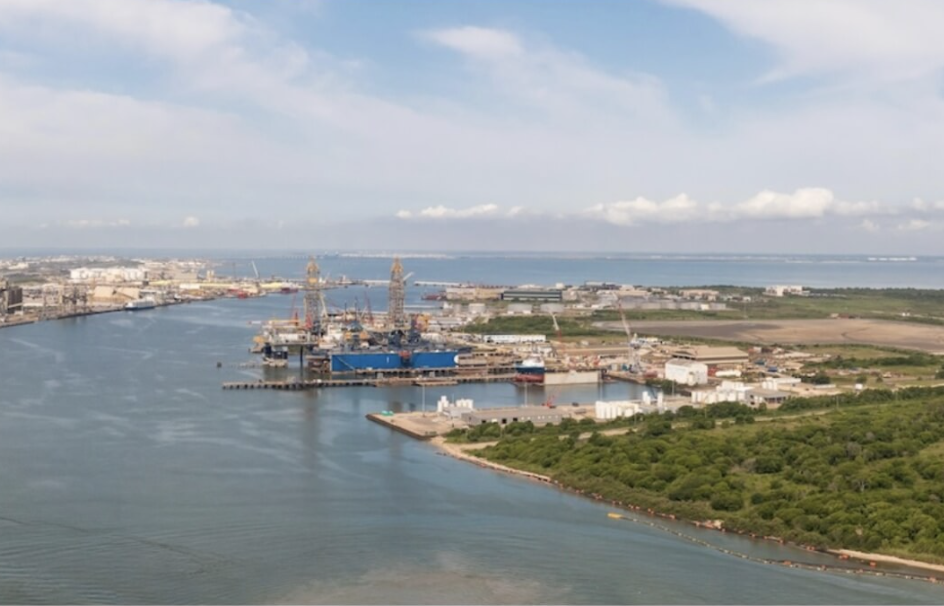
Davie Defense is investing $1 billion to transform the Gulf Copper facility in Galveston from a repair yard into a manufacturing site for U.S. Coast Guard icebreaker ships. The project is expected to generate up to 2,400 jobs across the region, with as many as 1,500 positions projected for Galveston.
Local officials say education systems are moving quickly to align with the workforce demand. The Port of Galveston has committed nearly $350,000 to support training programs aimed at preparing students for careers in shipbuilding and maritime logistics.
Galveston Regional Chamber of Commerce President and CEO Gina Spagnola described the investment as transformative for the region’s future.
“It’s hard to really even put into words,” Spagnola said, calling the development a “game-changer” for economic opportunity on the island.
The funding includes a $40,000 endowment for students at Galveston College, managed through the college’s foundation. The program will support students pursuing degrees in global logistics, supply-chain management and technical certifications such as welding and shipfitting.
In addition, the port established a separate endowment of more than $300,000 for students at Texas A&M University at Galveston. The funding will provide four annual scholarships of $3,000 each for students enrolled in Maritime Business Administration, Marine Transportation and Marine Engineering Technology programs.
Spagnola said the scale of the project could rival historic turning points in the region’s economy.
“I believe that it is the greatest economic impact on Galveston and our region since the rebuilding after the great storm of 1900,” she said.
Officials say the goal is to ensure that local students are positioned to fill jobs created by the investment, including roles for welders, shipfitters, engineers and logistics specialists.
The initiative reflects a broader effort to create a workforce pipeline that connects education directly to industry demand as Galveston prepares for long-term economic growth tied to maritime development.