League City is considering turning the Chester L. Davis Sportsplex into a major entertainment district—but only if developers fully replace its beloved sports and community amenities. The city insists it won't spend public funds on the $816M project.
League City officials are facing a critical choice: to approve the creation of a large entertainment district on land that is presently home to the beloved Chester L. Davis Sportsplex—a frequently utilized public area and sports center amid the rapidly expanding city.
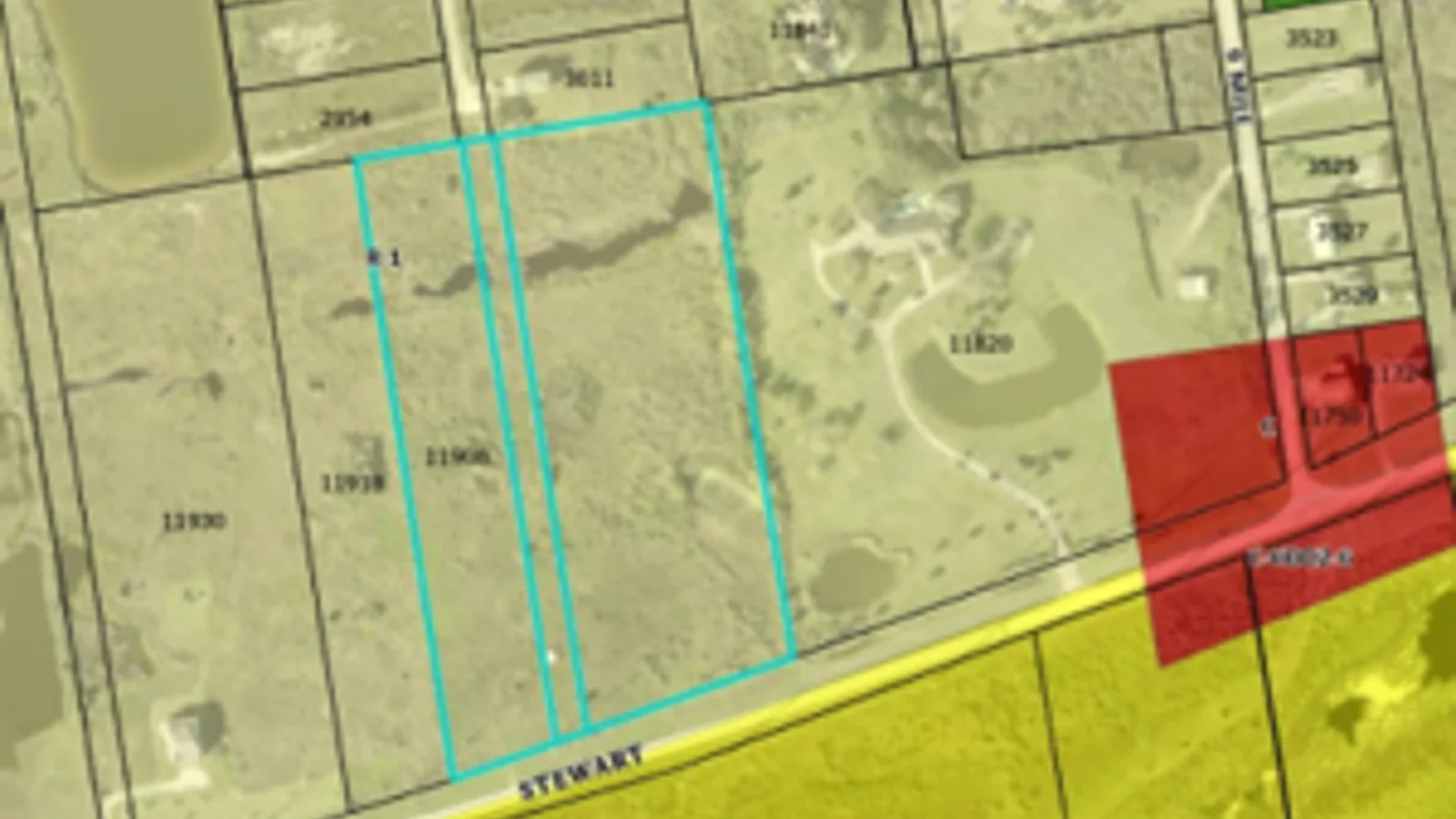
Recently, League City issued a formal request for proposals (RFP) to attract developers to conceptualize, fund, and construct a potential 53-acre entertainment complex located at the intersection of I-45 and League City Parkway. However, it is essential to note that the area currently hosts the Chester L. Davis Sportsplex, a beloved community hub featuring fields for youth baseball, football, and soccer, as well as playgrounds, trails, pavilions, and a veterans memorial.
Any plan for land redevelopment is required to fully replace all athletic and recreational facilities at the developer's cost. “They need to implement a completely self-sustaining initiative,” Mayor Nick Long stated to The Daily News. He highlighted that the city will refrain from providing financial support or endorsing any debt incurred by developers.
Doubts among city leaders remain significant. Assistant City Manager Rick Davis reiterated the mayor’s position, emphasizing that no public funds should be allocated initially. City Councilman Tommy Cones rejected the idea as a "pipe dream". They cautioned against making the same mistakes again—such as the city’s $800,000 payment to a Chicago consulting firm following a “pre-development agreement” with Michigan-based developer River Caddis.
The same firm is responsible for the sole proposal being evaluated: an extensive $816 million project known as Brickyard Junction. The initiative features a vast 330,000-square-foot indoor arena and convention center, alongside hotels, office spaces, retail areas, multifamily residences, and ample parking facilities. The arena has the potential to become a future venue for a minor-league hockey team.
Despite the ambitious vision, Long emphasized the importance of community feedback and the city's cautious approach going forward. “This is going to be a remarkably gradual process,” he remarked, with conclusive decisions anticipated well into 2026. Developers have until October 29 to submit any additional proposals.