
Galveston port officials are pursuing a federal study for a potential rail-supporting land bridge to Pelican Island, citing major development constraints tied to the aging Seawolf Parkway bridge.
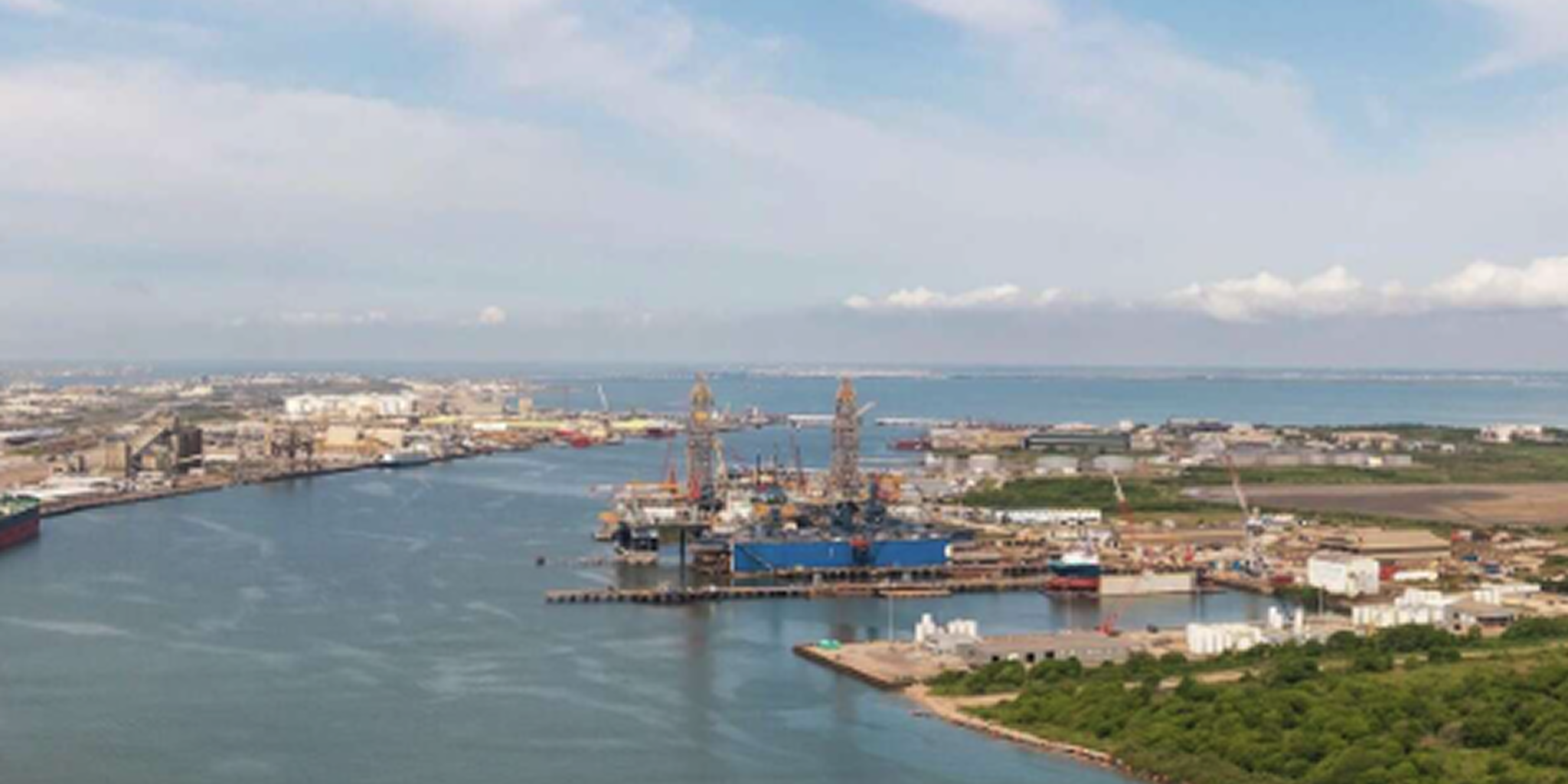
The Port of Galveston is pursuing federal approval for a study on a proposed rail-supporting land bridge to Pelican Island. Officials have expressed concerns that the deteriorating Seawolf Parkway bridge is hindering hundreds of millions of dollars in potential development opportunities.
In a unanimous decision last Tuesday, the Galveston Wharves Board of Trustees granted authorization to Port Director and CEO Rodger Rees to seek approval from the Assistant Secretary of the Army for a feasibility study in accordance with the Water Resources Development Act of 2024. Oversight from the U.S. Army Corps of Engineers is essential for any significant harbor infrastructure project.
Port leaders have identified the existing two-lane Seawolf Parkway bridge, constructed in the 1960s and devoid of rail access, as a significant bottleneck in the region's infrastructure. The port possesses 357 acres on Pelican Island, with a significant portion remaining undeveloped, primarily due to the fact that the bridge serves as the sole land access point.
Rees announced that the port's 20-year master plan encompasses the development of 96 acres into a cargo-handling yard, featuring nearly 2,600 linear feet of berth space. New opportunities in the shipbuilding sector are on the rise, particularly following the acquisition of the Gulf Copper shipyard by Canadian firm Davie Defense and the awarding of a contract for a U.S. Coast Guard icebreaker.
Rees emphasized that development will remain limited until the island's bridge and rail connectivity, along with vital utility and transportation infrastructure, are adequately addressed.
The Texas Department of Transportation is advancing its plans to replace the existing bridge, prompting a call for an alternative solution. The estimated cost of the project exceeds $350 million, with a completion timeline that may extend nearly a decade. Design work is presently approximately 60 percent complete, with expectations to achieve 90 percent completion by August.
Construction is set to commence in November 2029 and is expected to conclude by October 2034, pending the approval of a U.S. Coast Guard permit, which is anticipated in October 2028.
Over the last five years, maintenance expenses for the existing bridge have surpassed $5 million, with the structure receiving a “poor” rating from the Federal Highway Administration. The bridge's condition became a focal point in May 2024 following a collision with an oil barge, which resulted in its closure for several days.
The financial backing for the replacement bridge comprises over $36 million from local sources, in addition to $42.5 million allocated by the state and $66.3 million provided by federal assistance. A surface transportation block grant is anticipated to address the remaining $205 million gap.
TxDOT spokesman Danny Perez stated, “We continue to collaborate with our partners to find a solution that will bring the bridge project to fruition.” “Collaboration remains essential, and our objective is to sustain this momentum moving forward.”
Port officials are currently assessing the feasibility of designing and constructing a new rail-supporting land bridge prior to the completion of the state's replacement bridge. The port is set to hold an open house on March 25 at Cruise Terminal 16, where officials will discuss the master plan and explore development opportunities for Pelican Island.
.png)
.png)
.png)


