Months into hurricane season, Galveston-area residents remain without a key weather alert system after a March fire. Congressman Randy Weber is demanding answers, accusing NOAA of a sluggish response.

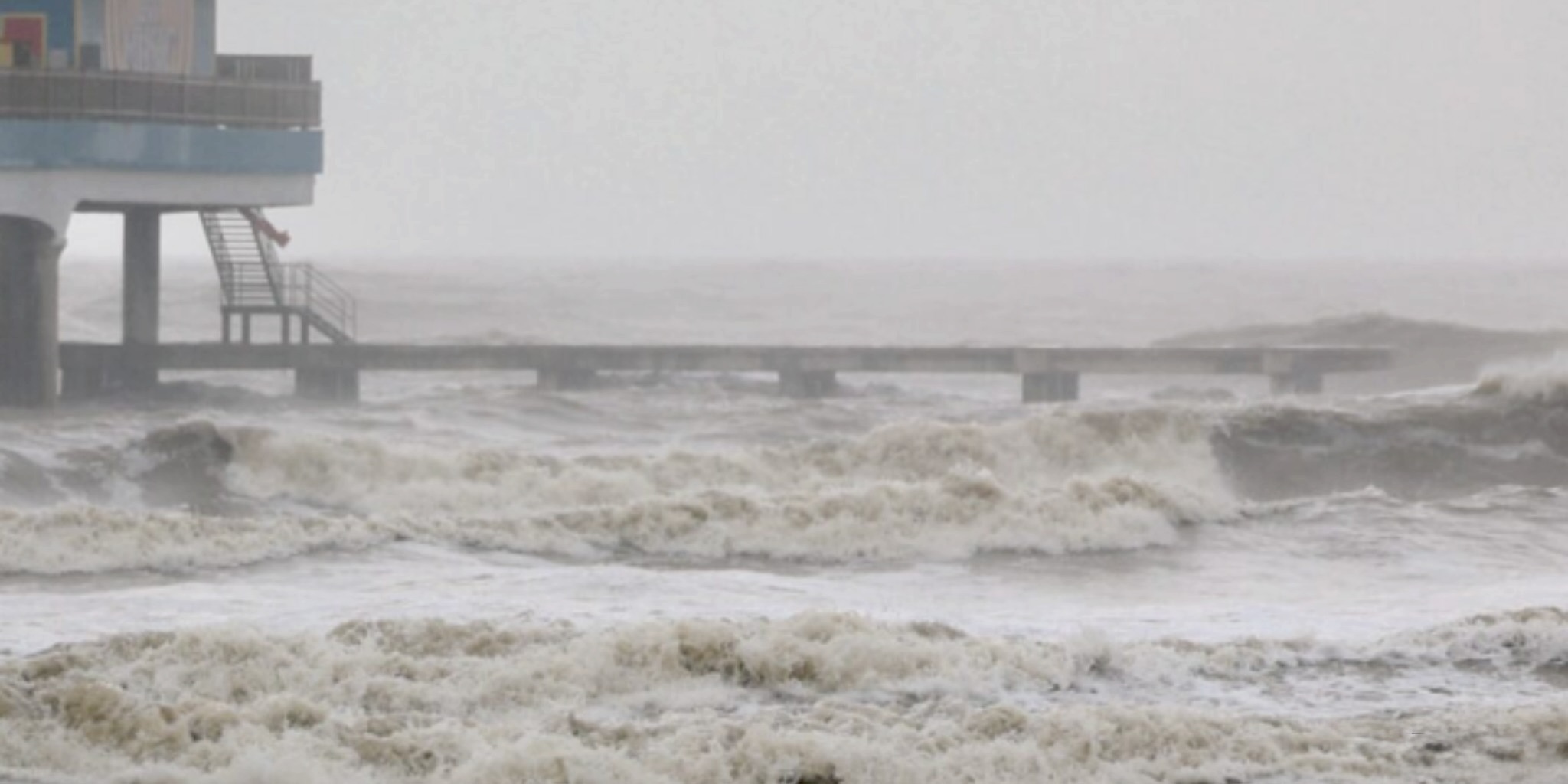
As the hurricane season continues, tensions are rising over the slow progress in replacing a vital weather radio tower in the Galveston area, which was destroyed by a fire on March 25.
U.S. Rep. Randy Weber (R-Friendswood), representing a significant portion of the Texas Gulf Coast, has expressed strong discontent, alleging that the National Oceanic and Atmospheric Administration (NOAA) is "dragging its feet" on necessary repairs.
This week, Weber addressed a formal letter to NOAA Acting Administrator Laura Grimm, calling for accountability and immediate action, highlighting the absence of a definitive timeline from the agency. “This delay is simply not acceptable,” Weber stated. “Our communities are entitled to clarity and decisive measures.” The congressman emphasizes that NOAA must take decisive action, communicate transparently with the public, and outline a clear and concrete strategy to restore this essential system promptly.
In a swift response to the recent report by the Galveston County Daily News, NOAA’s Houston-Galveston office revealed that a temporary transmitter is set to be operational by the end of the month. Nonetheless, the device is set to experience diminished power and range—certainly not the best scenario as we enter the height of hurricane season.
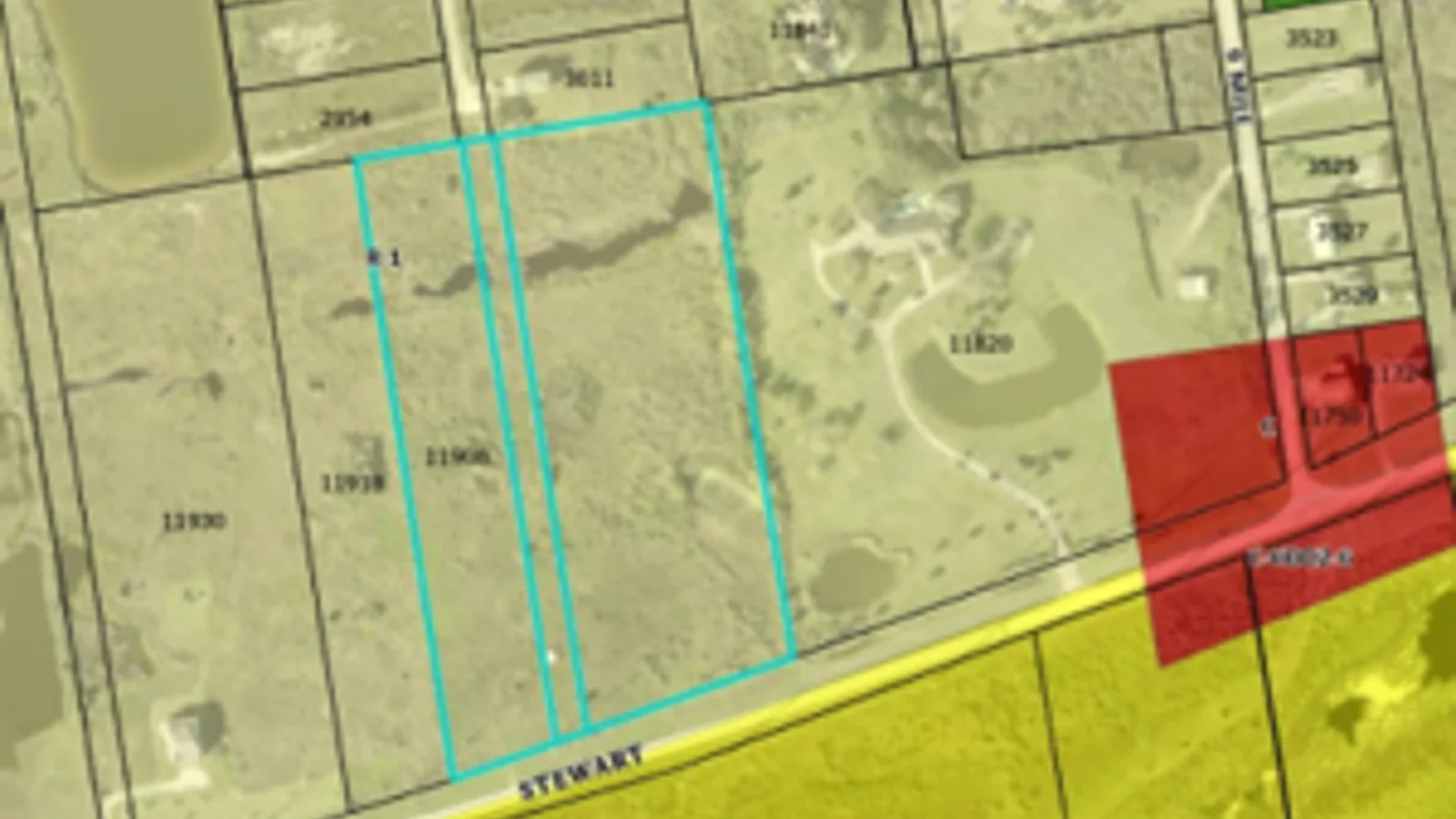
In a development that adds another layer of complexity, NOAA has announced that the new permanent antenna is set to be installed just a few miles from the original tower in Hitchcock. This change indicates that the final broadcast coverage will not align with the previous configuration. The agency has recognized that the complete scope of the signal’s reach will remain unclear until the installation process is finalized.
Online commenters expressed astonishment at the prolonged delay and the narrow scope of the temporary solution. “It took four months merely to devise a solution?” questioned one user. One remarked, “Essentially, you’re all left to fend for yourselves this hurricane season.”
NOAA has announced its goal to restore the permanent system by September 30, just two months ahead of the official conclusion of hurricane season on November 30. Weber highlighted that, even with the convenience of online access and mobile applications, the NOAA Weather Radio stands out as the most dependable source for weather information during power outages and internet disruptions.